The Math Behind Fibonacci Ratios: Why Do They Appear in the Markets?
The Fibonacci sequence (0, 1, 1, 2, 3, 5, 8, 13, 21, 34, 55…) appears throughout nature—in sunflower seeds, nautilus shells, tree branching, and even human anatomy. The key ratios derived from this sequence form the basis of Fibonacci retracement levels in trading. These levels can be easily plotted on trading view using Fibonacci Indicator.
Key Fibonacci Ratios:
- 61.8% (The Golden Ratio): A number divided by the number that follows it (e.g., 34/55 ≈ 0.618)
- 38.2%: A number divided by the number two places ahead (e.g., 34/89 ≈ 0.382)
- 23.6%: A number divided by the number three places ahead (e.g., 34/144 ≈ 0.236)
- 78.6%: The square root of the 61.8% retracement (√0.618 ≈ 0.786)
- 50.0%: Not a true Fibonacci ratio but included as a psychological midpoint
These ratios represent natural zones of hesitation in market trends, gaining importance as thousands of traders focus on them, creating a self-fulfilling prophecy.
What is Fibonacci Retracement in Trading?
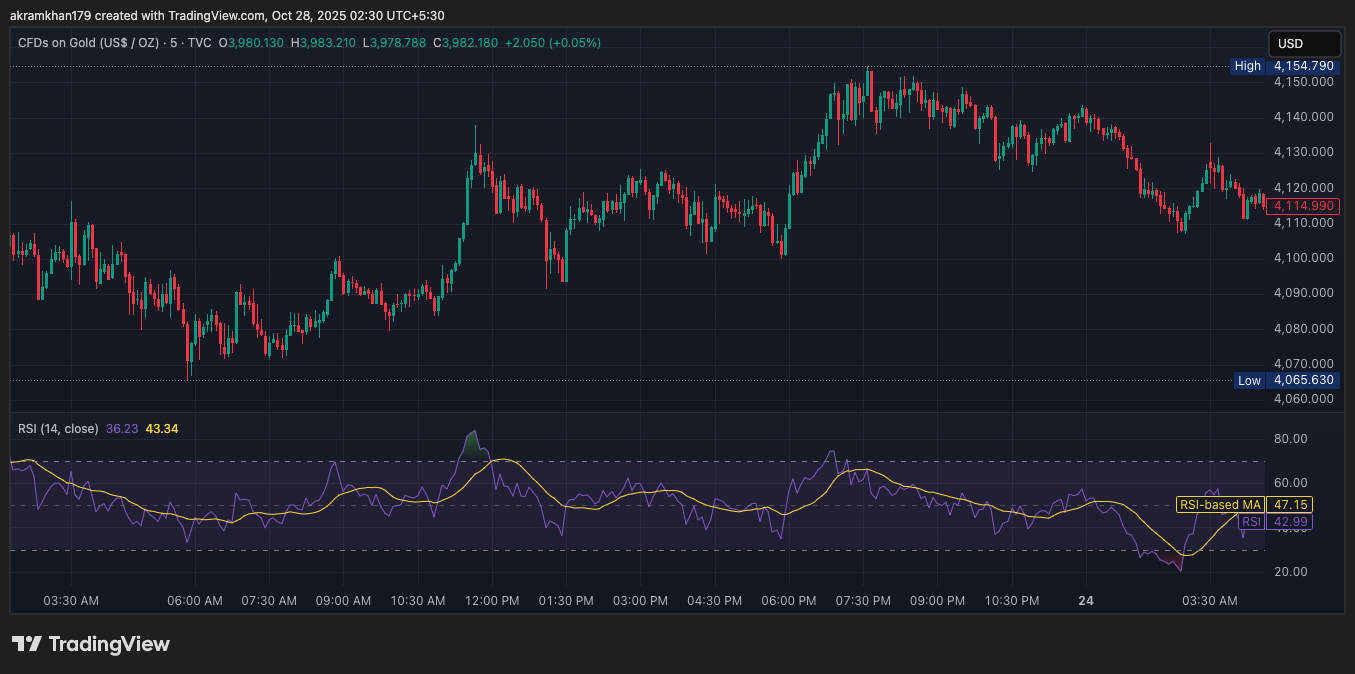
Fibonacci retracement identifies potential support and resistance levels based on key Fibonacci ratios. Traders draw a line between a major swing high and low, and the tool generates horizontal lines at each percentage level, helping identify how deep a pullback might go before the trend resumes. You can easily do this using the Fibonacci Indicator in tradingview.
Retracement vs. Reversal:
A retracement is a temporary move against the trend, while a reversal is a permanent trend change. Fibonacci retracement helps distinguish between them by identifying where retracements are likely to end.
How to Draw Fibonacci Retracement Correctly
Accurate application is crucial for valuable signals. The process differs slightly between uptrends and downtrends.
- Identify a significant swing low (start of move)
- Identify a significant swing high (end of move)
- Draw Fibonacci tool from low to high
- Retracement lines show potential support below price
- Identify a significant swing high (start of move)
- Identify a significant swing low (end of move)
- Draw Fibonacci tool from high to low
- Retracement lines show potential resistance above price
Selecting Valid Swing Points: Choose clearly identifiable peaks and troughs that are significant on the next higher timeframe and represent a substantial market move. Avoid drawing from minor highs/lows or in sideways markets.
Key Fibonacci Retracement Levels and Their Significance
A shallow retracement typical in very strong trends. Often represents minimal pullback before continuation. Entry point for aggressive traders.
A moderate retracement frequently respected in healthy trends. Represents balance between profit-taking and new entries. High-probability level.
Psychological midpoint. Acts as decisive level—holding suggests trend strength; breaking increases likelihood of testing deeper levels.
The most significant level. Deep retracement that tests trend validity. Holding often leads to strong continuation; breaking suggests weakness.
Very deep retracement representing a “last stand” for the trend. Breaking strongly suggests reversal may be underway.
Fibonacci Trading Strategies
Identify a clear trend, wait for pullback, draw Fibonacci from trend start to end. Enter in trend direction at key Fibonacci level with stop beyond next level. Use previous highs/lows or extensions for targets.
Identify mature weakening trend. Draw Fibonacci from entire trend start to end. Watch for reversal signals at deep retracement levels (78.6%+). Enter against previous trend with oscillator/candlestick confirmation.
In sideways markets, draw Fibonacci from support to resistance. Use Fibonacci levels as reversal points within range. Combine with oscillators for overbought/oversold confirmation.
Fibonacci Extensions and Projections
Beyond retracements, Fibonacci tools project profit targets for the next leg of a move.
Used as targets beyond original swing high/low. Key levels: 127.2%, 161.8% (most important), 261.8%, 423.6%. Draw from start to end of move, then to end of retracement.
After entering at a retracement level, use extensions for profit targets. Example: Buy at 61.8% retracement in uptrend, target 127.2% or 161.8% extension levels.
Fibonacci in Different Markets
Respect Fibonacci levels very well due to high liquidity. Major pairs show cleanest reactions. 38.2% and 61.8% levels particularly important. Works on all timeframes.
Respect levels but less consistently than forex. Blue-chips show better reactions. Levels often overlap with moving averages. Fundamental news can override levels.
Volatile but show dramatic reactions at Fibonacci levels. Often retrace deeper (to 78.6%). 61.8% level particularly significant for trend reversals.
Advanced Fibonacci Techniques
- Multiple Fibonacci Confluence: Draw multiple retracements from different swing points. Converging levels create high-probability zones.
- Multi-Timeframe Analysis: Use Fibonacci on weekly, daily, and 4-hour charts. Clustering levels create massively significant areas.
- Fibonacci Time Cycles: Apply Fibonacci numbers to time analysis (1, 1, 2, 3, 5, 8, 13, 21 periods ahead) to identify potential reversal points in time.
- Fibonacci Fans and Arcs: Alternative tools that create diagonal support/resistance lines based on Fibonacci ratios.
Common Mistakes and How to Avoid Them
- Drawing Incorrectly: Always connect significant swing points, not minor fluctuations.
- Treating Levels as Certainty: Fibonacci levels are probability zones, not guarantees.
- Using Fibonacci Indicator in Isolation: Always seek confirmation from other technical tools.
- Ignoring Market Context: Most effective in trending markets; avoid in choppy conditions.
- Overcomplicating with Too Many Levels: Stick to key levels (23.6%, 38.2%, 50%, 61.8%, 78.6%).